NGT at CHEP 2026
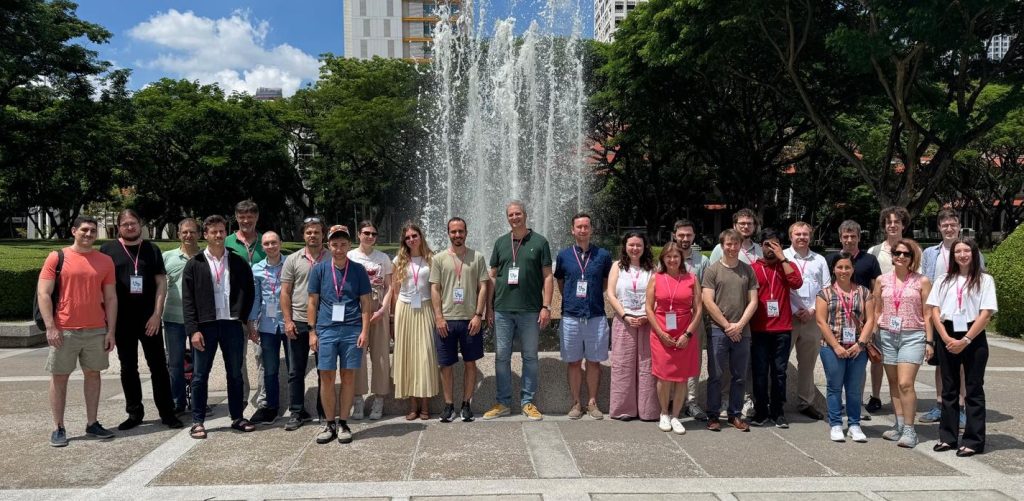
From 25 to 29 May 2026, 32 members of the Next Generation Triggers project took part in CHEP 2026, the 28th edition of the Conference on Computing in High Energy and Nuclear Physics, hosted by Chulalongkorn University in Bangkok, Thailand.
For a project like NGT, CHEP is a natural meeting point. The conference brings together the community working on the computing, software, networking and infrastructure challenges behind some of the world’s most data-intensive scientific experiments. As the LHC community prepares for the High-Luminosity LHC, these challenges are becoming more demanding, more interconnected and, in many cases, more urgent.
Across the week, NGT members presented their work through talks and poster sessions, contributing to discussions on real-time computing, software workflows, distributed infrastructure, machine learning, sustainable computing and the future of data processing for high-energy physics. Their contributions reflected the broad scope of NGT, from trigger and data acquisition systems to calibration, reconstruction, analysis workflows and computing infrastructure.
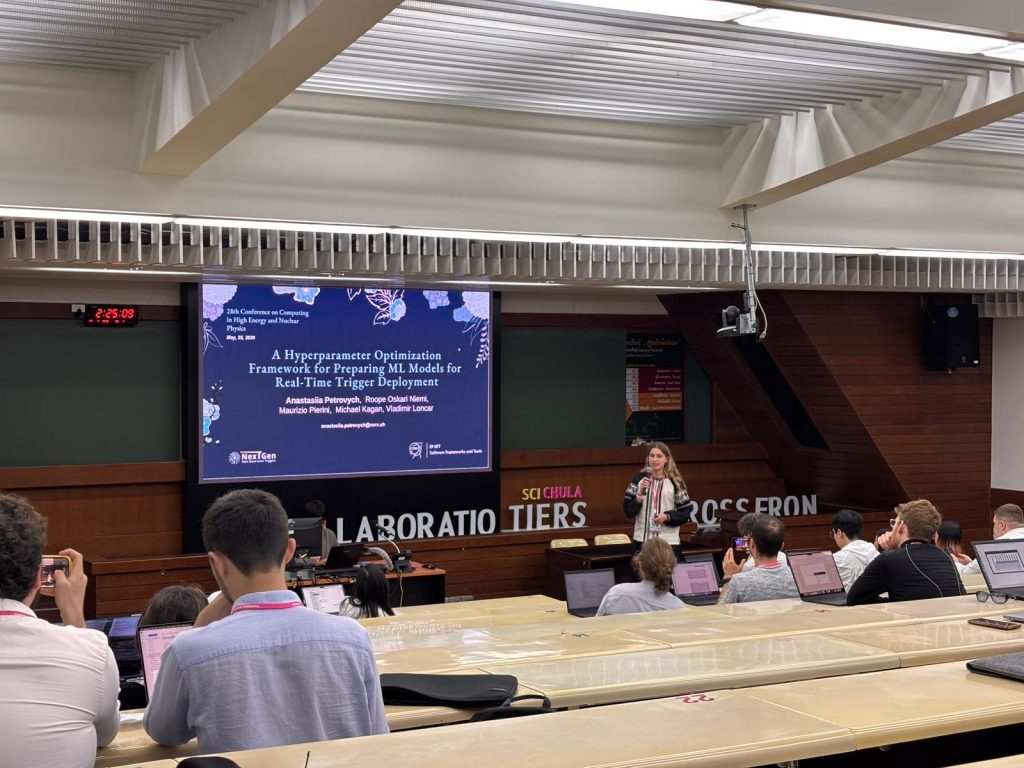
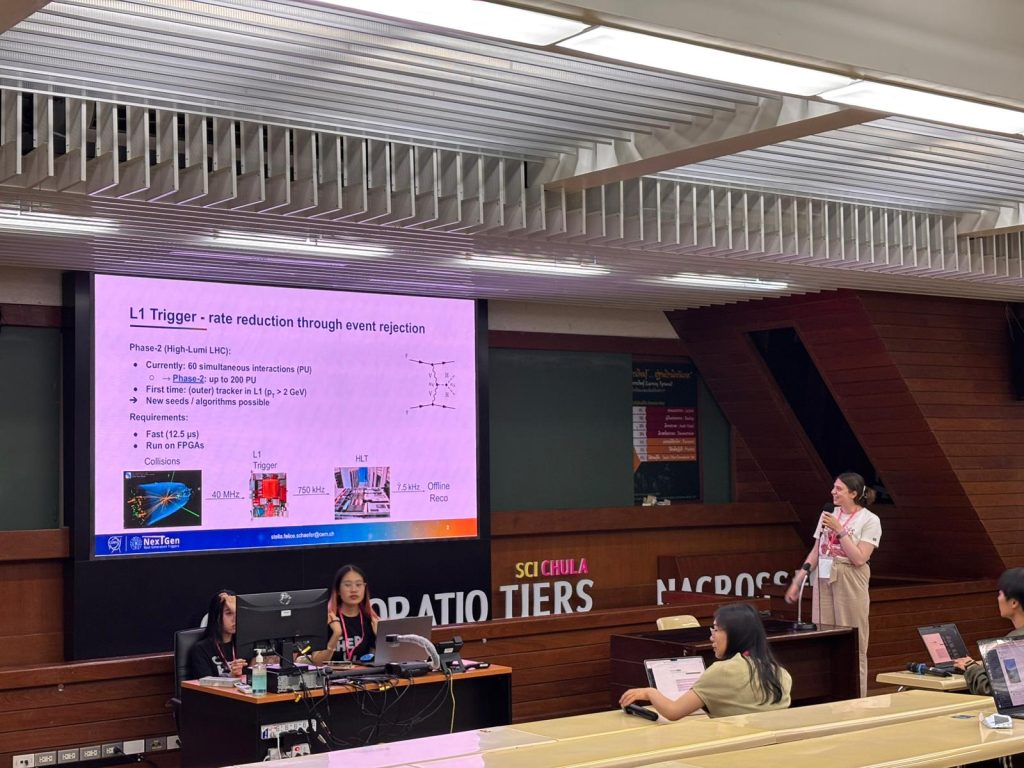
The strong NGT presence at CHEP 2026 also showed the value of bringing together people from different experiments, institutes and technical backgrounds. Conferences such as CHEP offer space not only to present results, but also to compare approaches, test ideas with the wider community and identify shared challenges across experiments.
“CHEP 2026 offered a very useful overview of current developments in HEP software and computing,” explains František Stloukal.
“For my work, the discussions on the throughput limits of higher-precision floating-point types on modern GPUs were particularly relevant, especially in light of the growing focus on low-precision formats for machine-learning workloads. I also found the talks on upcoming C++26 features, such as reflection and portable vectorization, as well as emerging languages like Julia and Mojo, especially interesting for the future of scientific computing.”
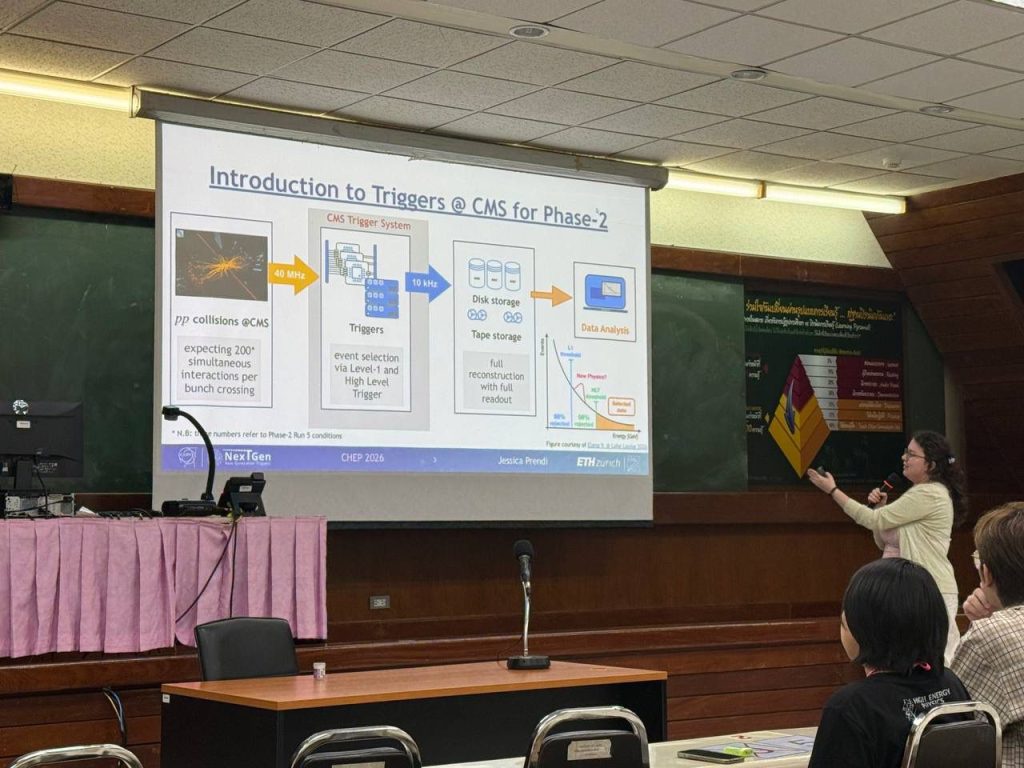
For Jessica Prendi, attending CHEP 2026 was both scientifically rewarding and personally memorable.
“I am incredibly grateful to have attended CHEP 2026 in Bangkok, Thailand, as it was an amazing experience in every way. Presenting the instrumental work our NGT team has done for the Run 3 demonstrator, where we aimed at making optimal calibrations at the CMS High-Level Trigger a reality, was incredibly rewarding.”
She also highlighted the broader value of the conference, from the technical discussions to the opportunity to connect with the computing community in high-energy physics, adding that the event was “truly top-notch” and included an unforgettable opening ceremony attended by Her Royal Highness Princess Maha Chakri Sirindhorn.
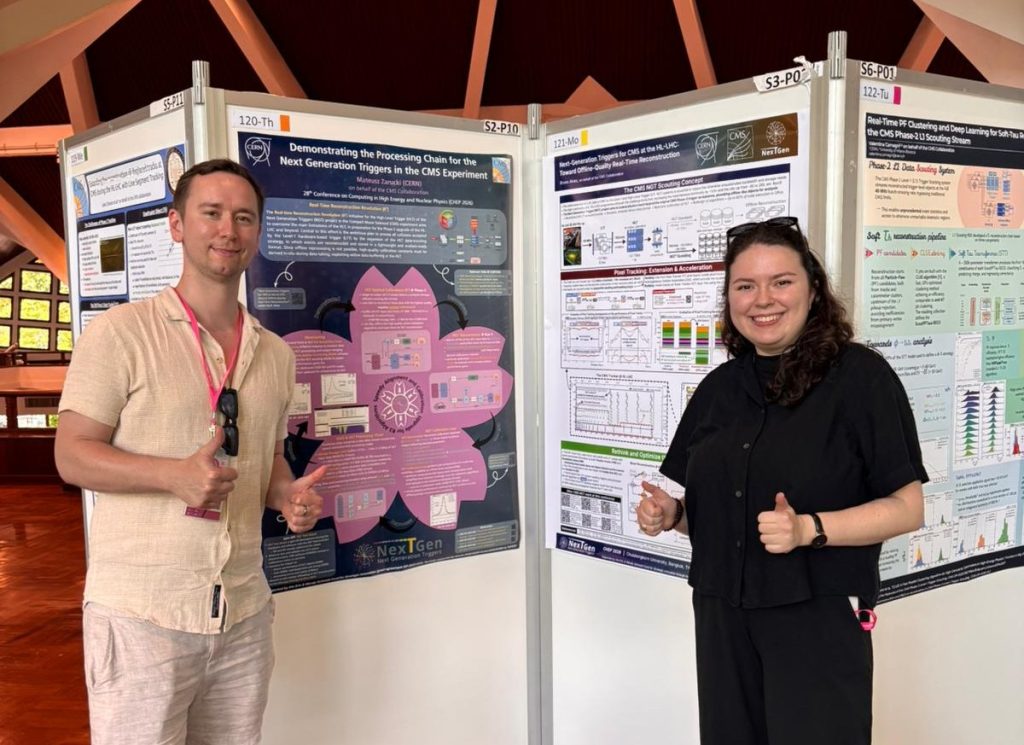
And talking about Calibrations, the poster you see on the left, from the NGT Optimal Calibrations team, was awarded second place in the poster session. The work was presented by Mateusz Zarucki on behalf of the NGT Optimal Calibrations Task 3.4 SAKURA Team: Andrea Bocci, Thiago Tomei, Marco Musich, Jessica Prendi and Mateusz himself.
“It was a genuine privilege to connect with leading HEP computing experts from experiments around the world at the wonderfully organised CHEP 2026 conference, and thereby showcase the hard work and achievements of our SAKURA team within the broader context of the Real-time Reconstruction Revolution and the Next Generation Triggers project,” said Mateusz Zarucki.
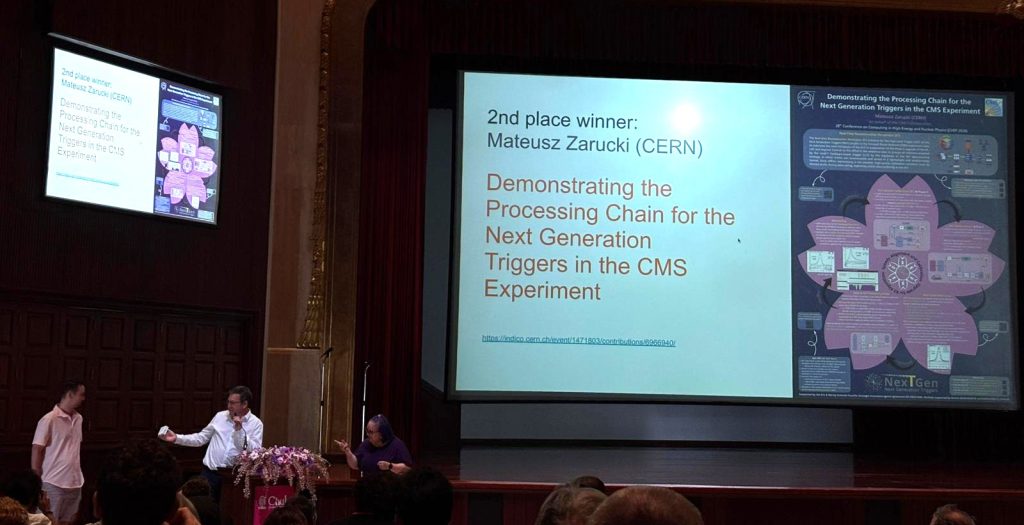
Congratulations to all the Sakura team! The award is a welcome recognition of the team’s work, but also of a larger effort taking place across NGT: developing the tools, methods and collaborations needed to process increasingly complex physics data in real time.
As computing continues to play a central role in the future of particle physics, CHEP remains one of the key places where the community takes stock of where it is and where it needs to go next. For NGT, the 2026 edition was an opportunity to share progress, strengthen links with the wider HEP computing community and bring back new ideas for the challenges ahead.
If you want to see the presentations and posters of our NGT colleagues, they are available in the NGT repository: https://repository.cern/communities/nextgentriggers/records