CERN STEAM Academy
A 10-weeks long summer school at CERN combining Software Technologies, Edge computing, Analytics
and Machine learning. A curriculum for future Data acquisition, Edge computing, Advanced software and Data science experts.
Go to the CERN STEAM Academy website
Course Structure
Software
Technologies
Edge computing
Analytics
Machine learning
The programme combines case studies with inspiring seminars, theoretical insights, and guided hands-on sessions.
Theme 1
Software Technologies
→ Advanced C++
→ Algorithms
→ Floating‑point
→ Efficient Python
→ Architecture & memory model
→ Parallel and heterogeneous computing
→ Best practices for debugging, profiling, analyzing large software
Theme 2
Edge Computing
→ Programming FPGAs with VHDL
→ High‑Level Synthesis
→ AI at the edge with hls4ml and FINN
→ Versal Adaptive Intelligence Engines
→ SoC FPGAs
→ Networking
→ High‑speed optical links
→ Storage (throughput/latency engineering)
Theme 3
Data Science & Machine Learning
→ MLOps
→ RNNs, GNNs, transformers
→ Autoencoders & anomaly detection
→ Generative models
→ Foundation models
→ LLMs/RAGs/agents;
→ Reinforcement learning
→ Interpretability & uncertainty
→ Pruning & quantisation
Admissions
Applications
Applications for the 2026 edition are now closed.
The next call for applications will be announced on this website after the completion of the programme.
For Accepted Participants
Accepted participants will receive further instructions regarding registration, accommodation, and programme logistics directly by email.
Please ensure you follow the deadlines and complete all required steps communicated by the organising team.
What’s Included
- On‑site accommodation + meals for all 10 weeks for external participants
- Teaching & lab materials
- Hardware access: FPGA dev boards, high-performance computing nodes
- Seminar recordings & code repositories
What do you need to know
→ Duration: 10 weeks
→ Fee: CHF 1,500: accommodation + meals included for external participants
→ Extras: Optional 1–2 month post‑Academy placement with a CERN group
→ Credits: Targeting ECTS recognition via partner universities
Key Dates (2026)
→ Applications close: 28 February
→ Selection completed: 15 April
→ Fee payment due: 15 May
→ Arrival: 21 June
→ Academy dates: 22 June to 28 August
Invited speakers
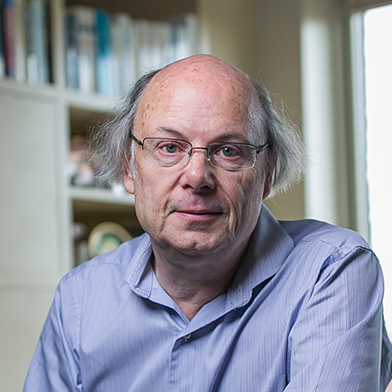
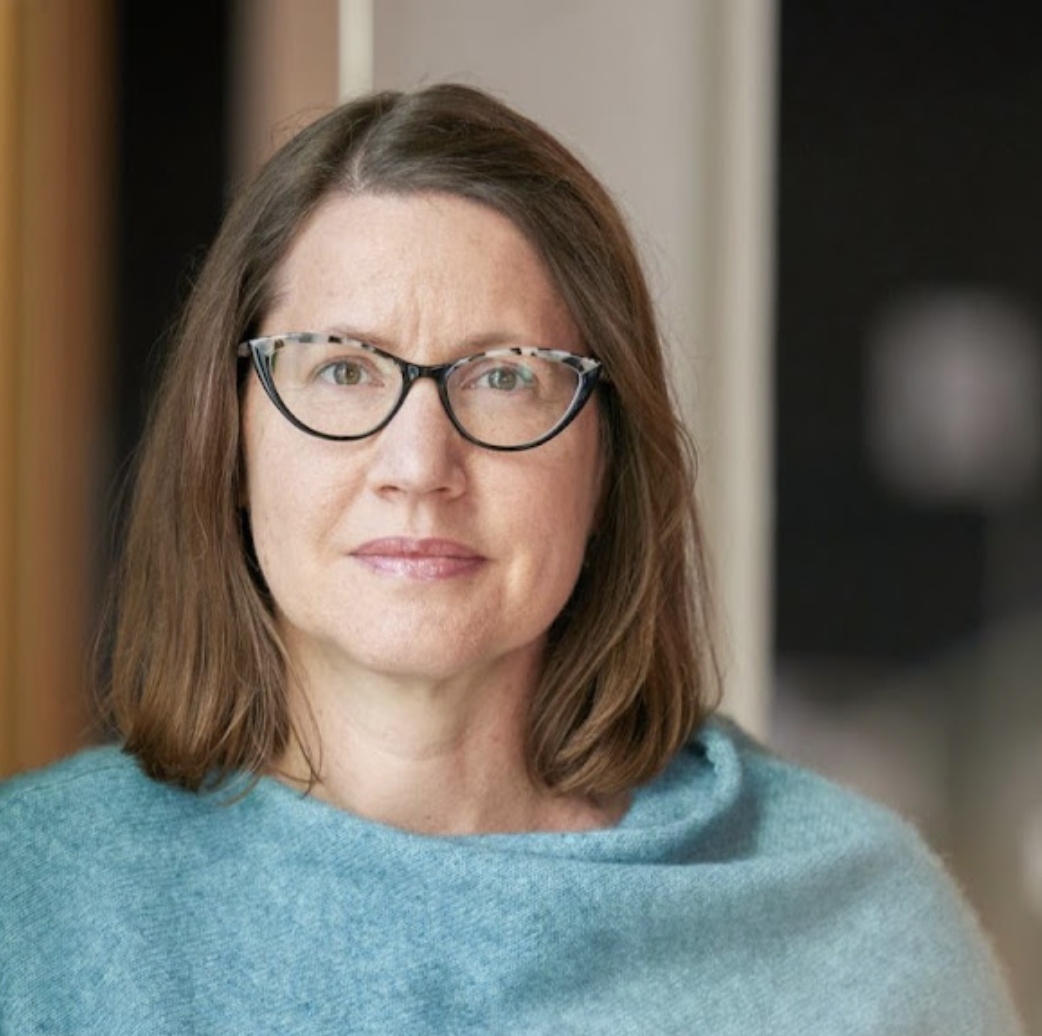
The CERN STEAM Academy features contributions from internationally recognised experts shaping the future of software, computing, and machine learning.
Seminar speakers



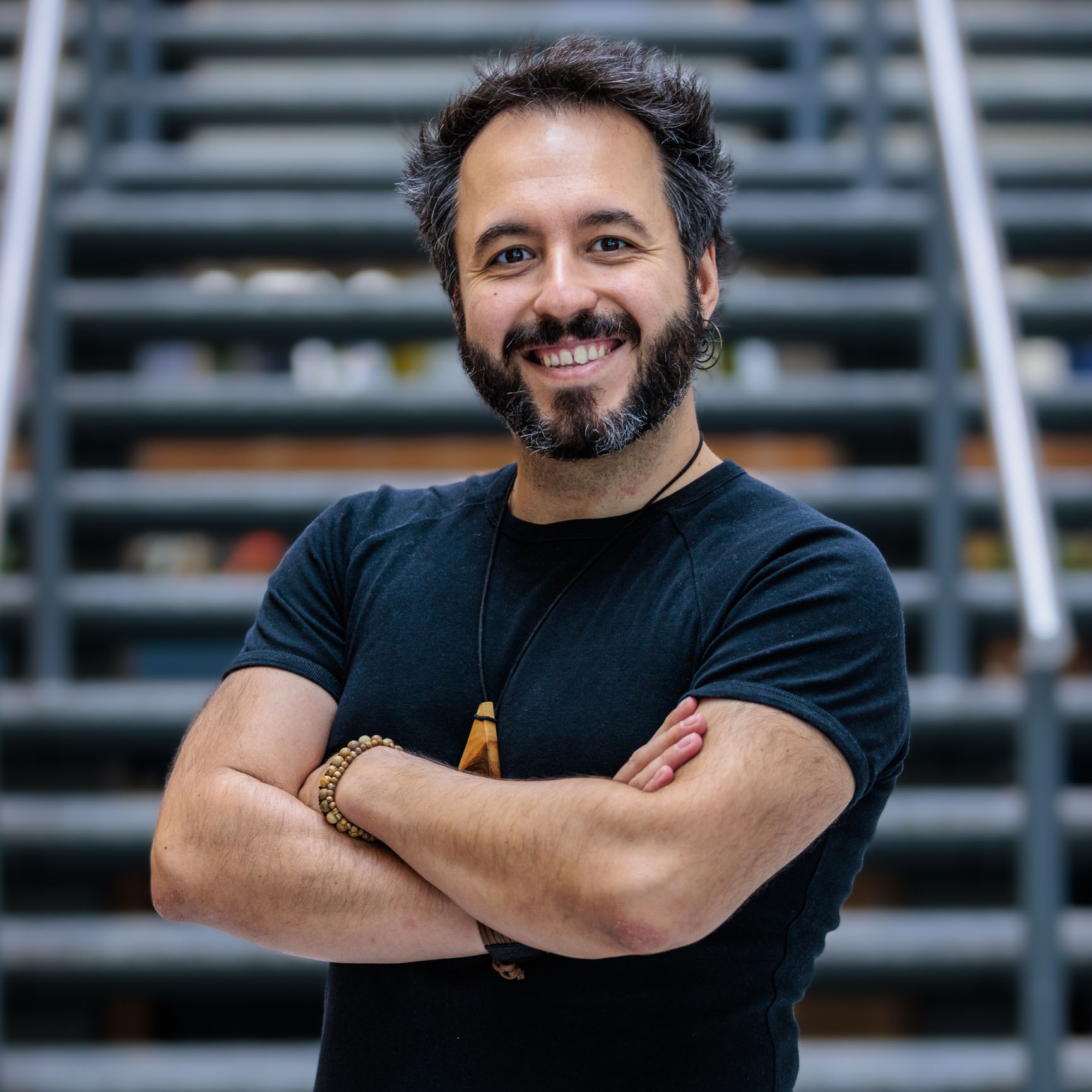
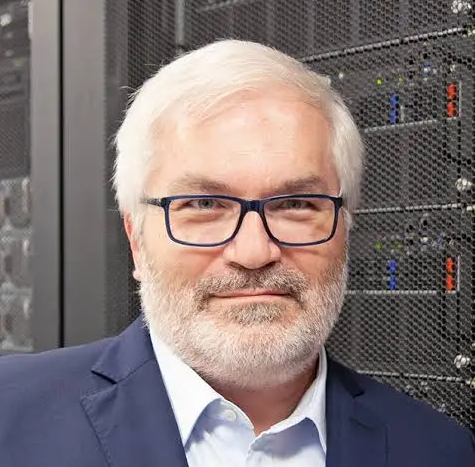
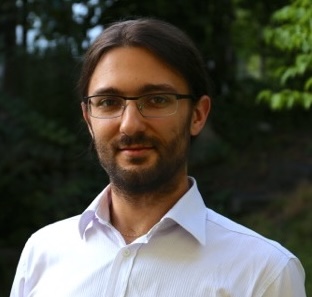
Click here for more information.
Partner Universities & Lecturers
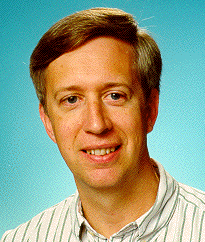
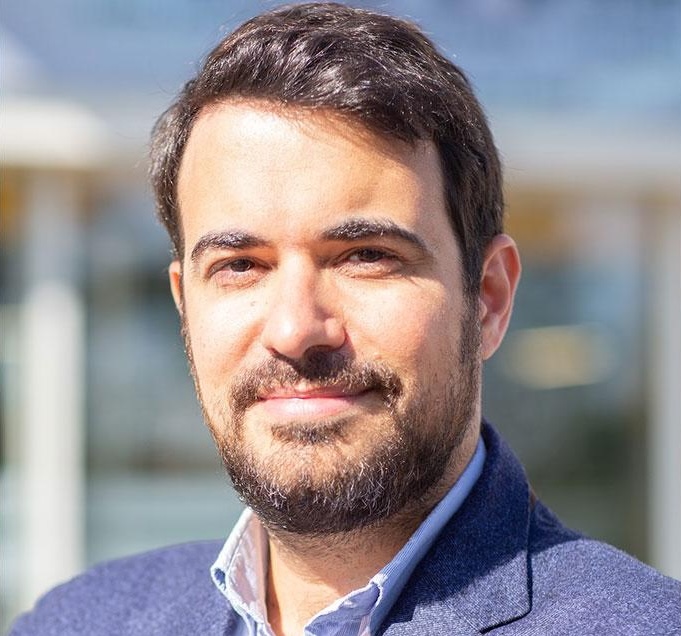
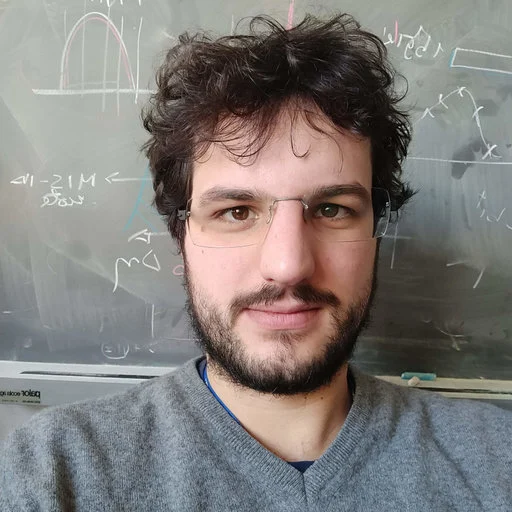
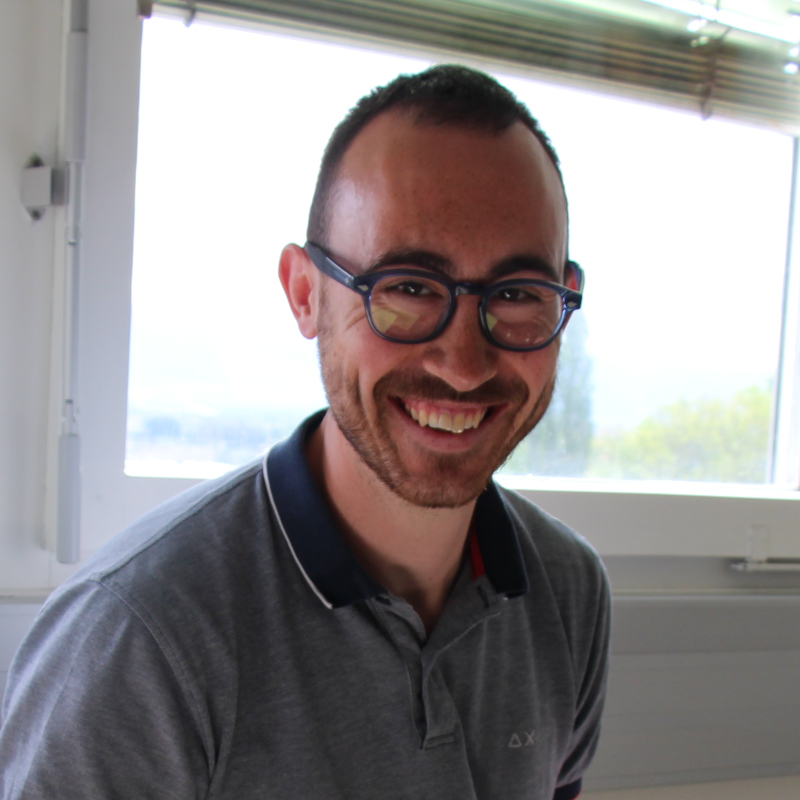
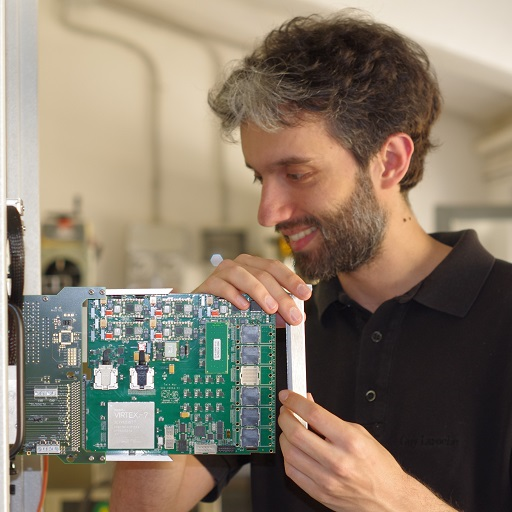
The CERN STEAM Academy 2026 brings together a diverse group of lecturers from leading universities and research institutions. The teaching team includes internationally recognized experts who actively contribute to their fields and bring both academic and practical perspectives to the programme.
Lecturers are responsible for delivering lectures, designing hands-on sessions, and supporting participants throughout the learning process. The programme is developed in close collaboration with partner universities, ensuring both academic depth and relevance to current technological challenges. Our partner institutions contribute to the Academy by delivering specialized lecture modules and developing practical exercises and teaching materials.
The list of lecturers and partner universities will be announced progressively.






FAQs
- Do I choose a theme? No. All participants follow the full 10‑week integrated programme.
- Is prior HEP experience required? No; HEP context is provided during the Academy.
- Will I get ECTS credits? We are working with partners to recognise ECTS; details announced before the start.
- Is accommodation mandatory? It is bundled to foster a cohort experience; exceptions considered case‑by‑case.
- Can industry participants apply? Yes, if they meet the prerequisites and commit to the full programme.
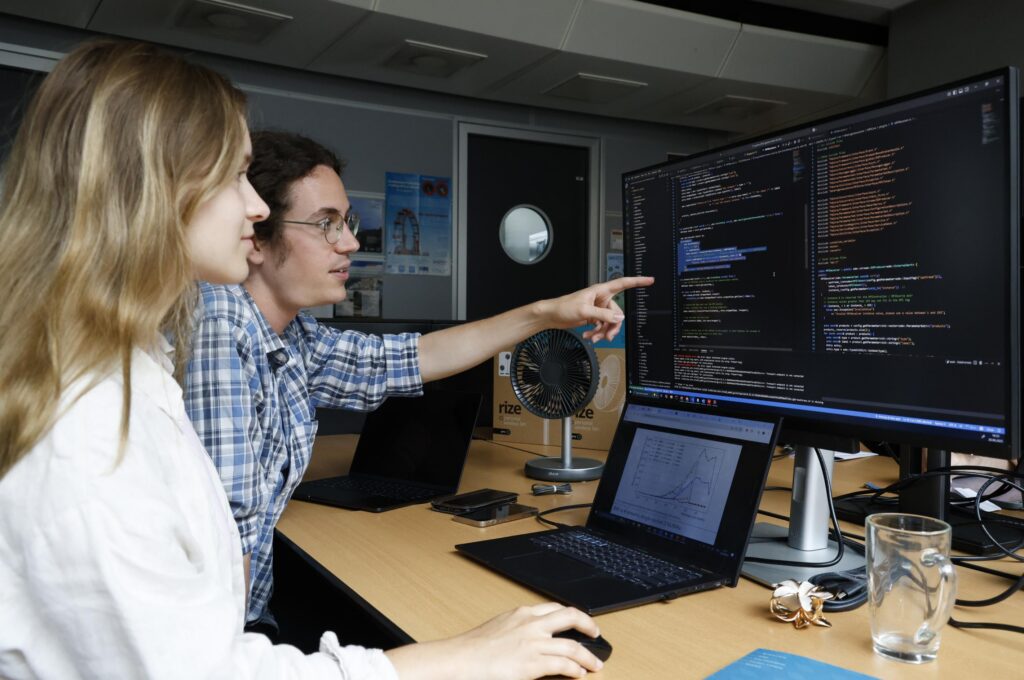
Lectures by world-leading experts from academia, research and industry, followed by hands‑on training and labs.
FOLLOW THE PROGRAMME
During the programme, selected materials and lecture recordings will be published on this website.
Questions? Don’t hesitate to contact us on our email steam.academy@cern.ch