
Tag: CERN
-
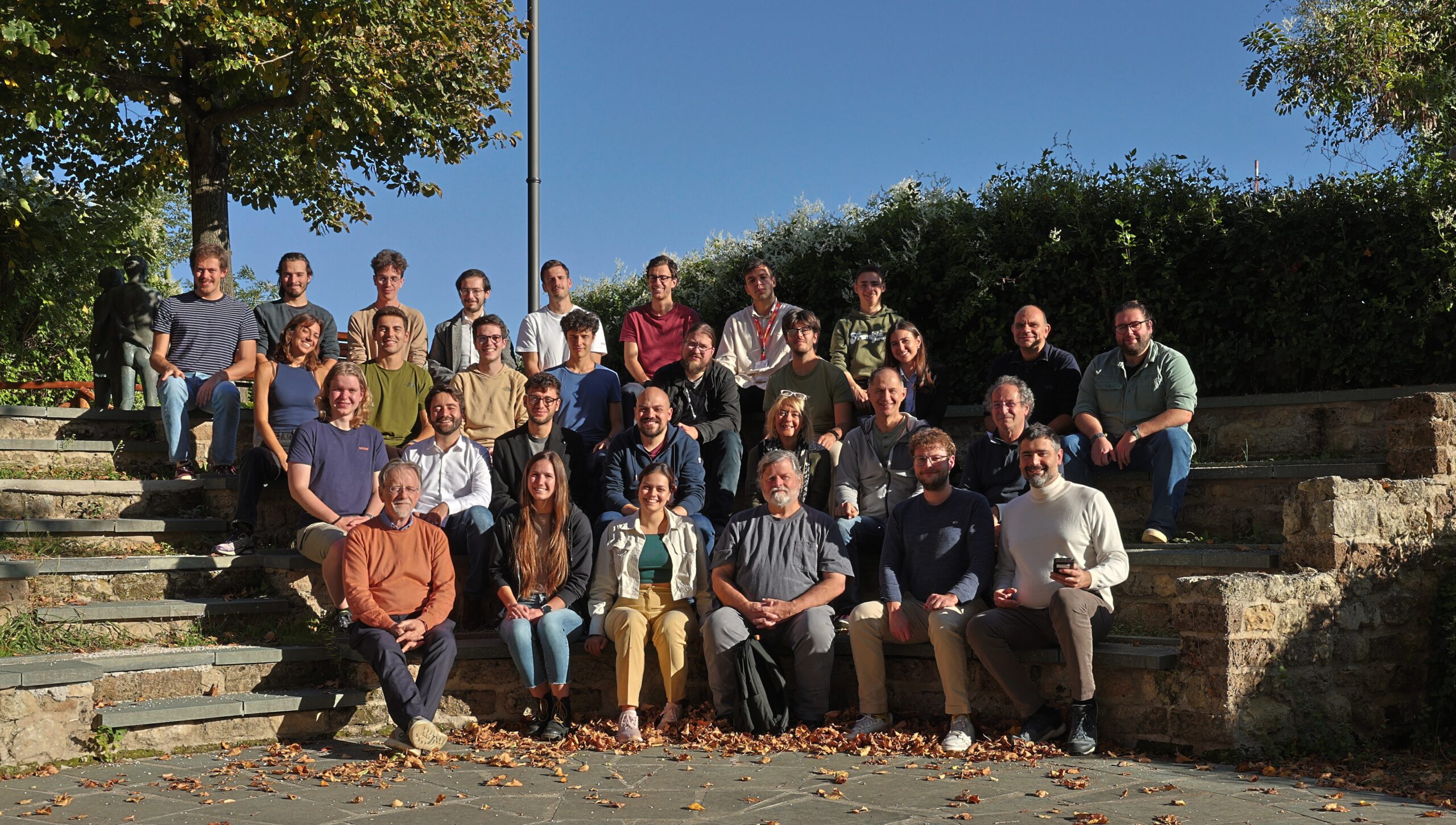
Learning, Collaboration, and Inspiration at the 16th ESC School in Bertinoro
Recap of the 16th ESC School in Bertinoro As part of our ongoing commitment to training and development, the Next Generation Triggers project continues to support its members in strengthening their expertise in computing and data science. This year, several of our colleagues travelled to Bertinoro, Italy, to take part in the Efficient Scientific Computing
-

The TH–NGT Hackathon: Exploring the NGT Cluster
The TH–NGT Hackathon: Exploring the NGT Cluster From 23-26 September, TH–NGT hackathon brought together members of CERN’s Theoretical Physics department and the Next Generation Triggers (NGT) project for a hands-on introduction to the NGT Cluster. The event, held at the CMS Centre, aimed to familiarise participants with the cluster’s infrastructure and support the first steps
-
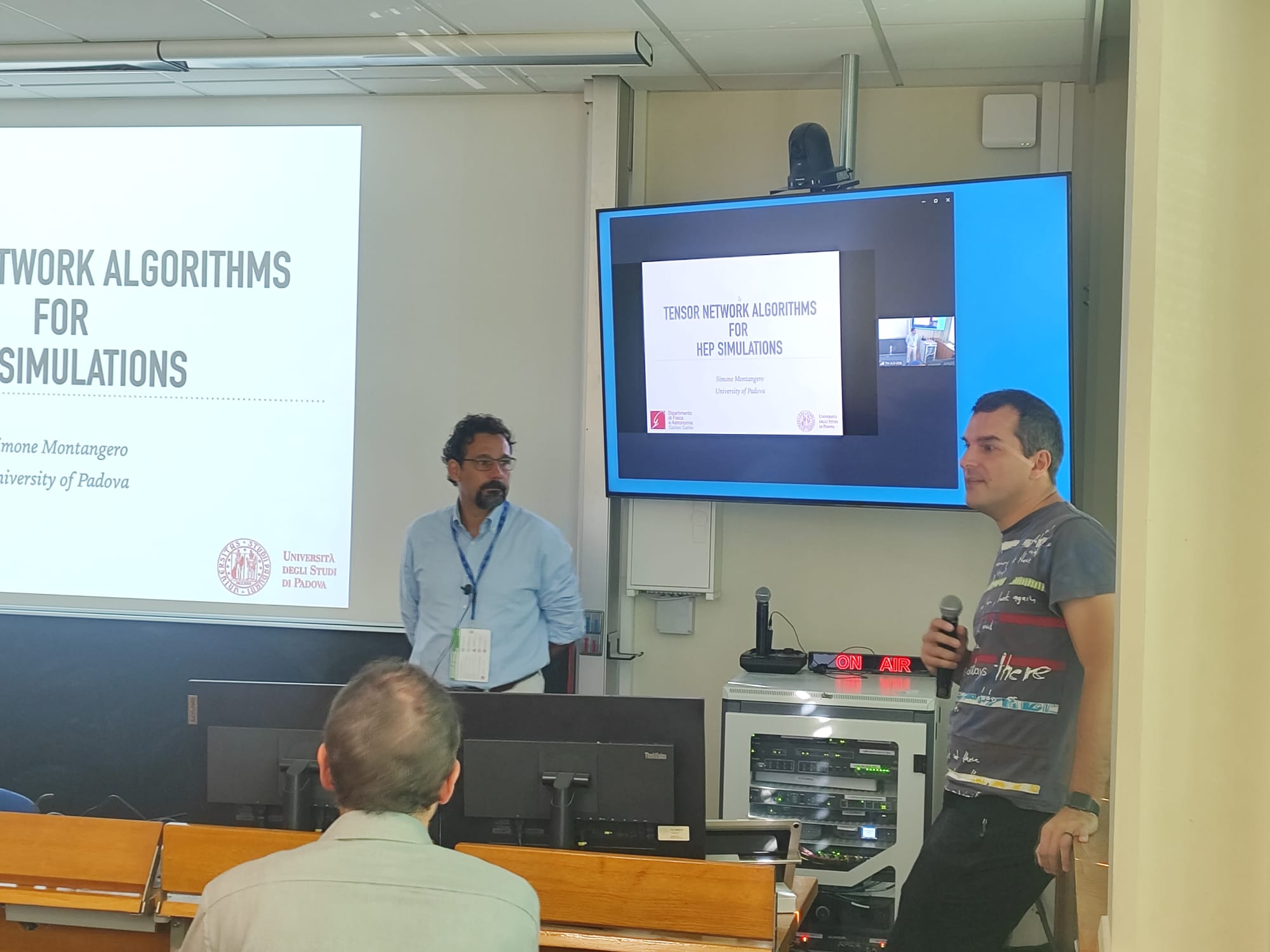
Quantum Simulation Meets High-Energy Physics at the TH Institute
Quantum Simulation Meets High-Energy Physics at the TH Institute From 8 to 19 September 2025, the CERN Theory Department hosted a two-week institute dedicated to exploring the intersection of quantum simulation, quantum computation, and high-energy physics (HEP). Co-organized by the Next Generation Triggers (NGT) project, the Quantum Technology Initiative (QTI), and the TH Department, the
-
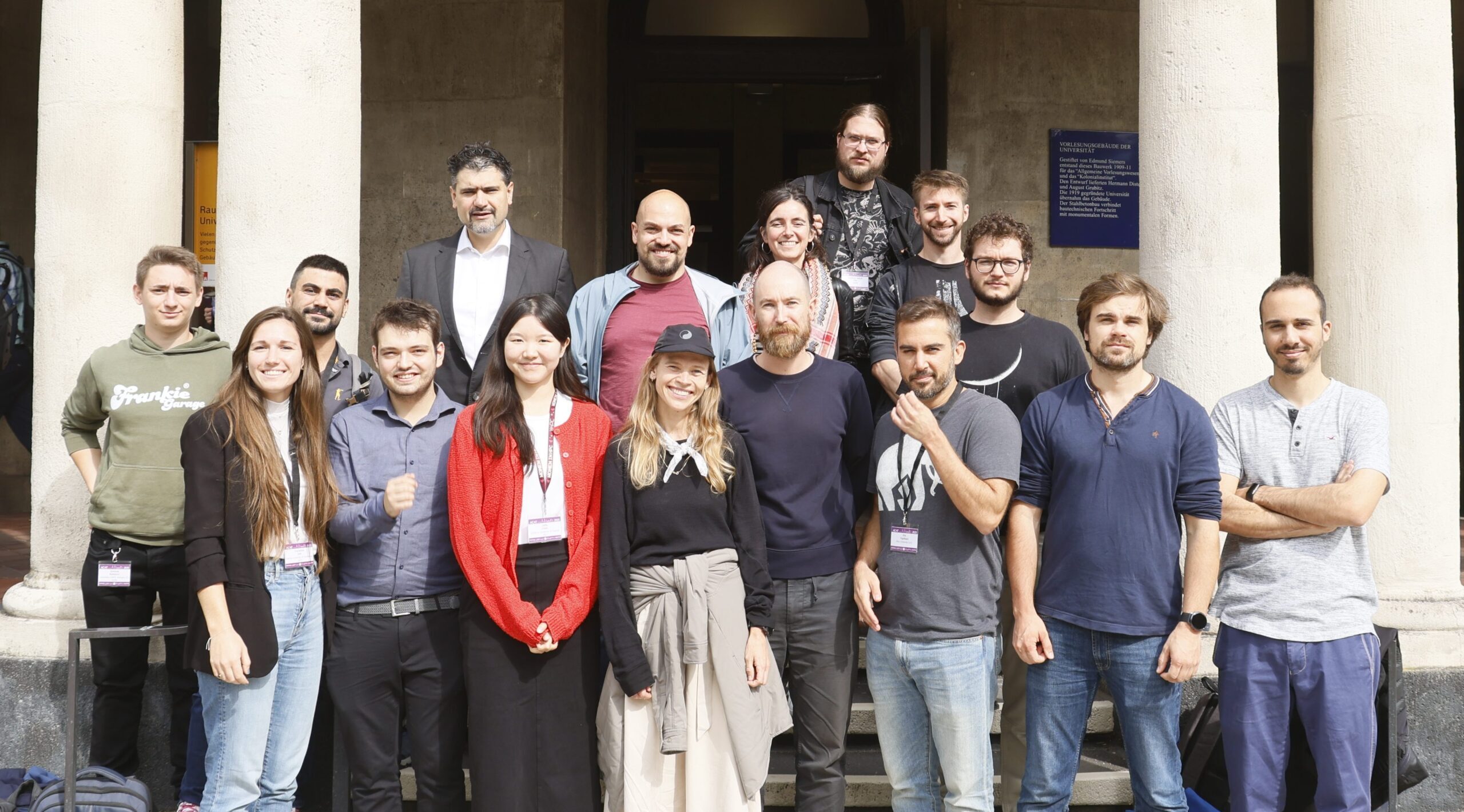
NGT at ACAT 2025
NGT at ACAT 2025 Last week, members of the Next Generation Triggers project joined the international community at the 23rd International Workshop on Advanced Computing and Analysis Techniques in Physics Research (ACAT 2025), held at the University of Hamburg between 8–12 September. Jointly organised by DESY and the University of Hamburg, ACAT once again brought
-
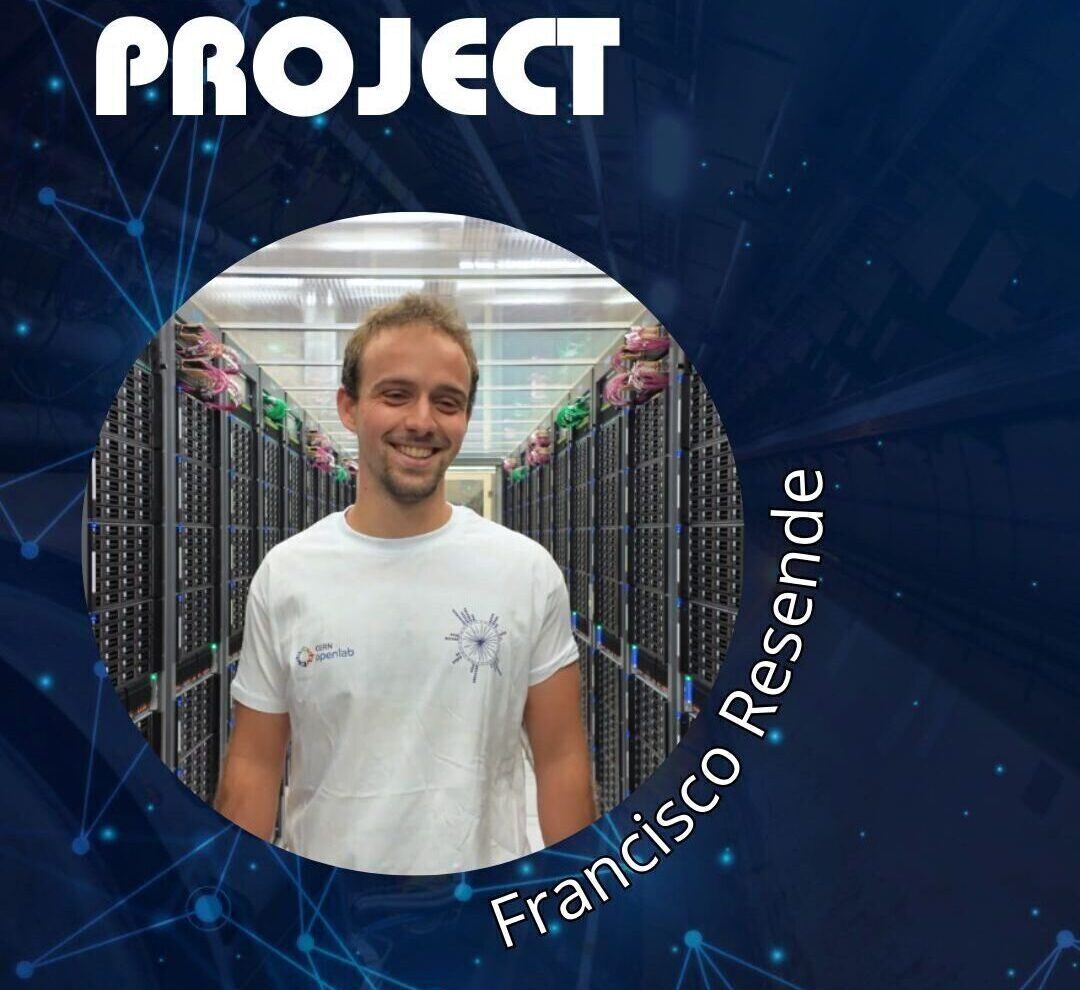
Meet the students: Francisco Resende
Meet the students: Francisco Resende How can machine learning boost the performance of ATLAS’s real-time event selection? That’s the question driving the work of Francisco Resende, a CERN openlab summer student from the Technical University of Munich. As part of the Next Generation Triggers project, his work focuses on bringing AI techniques into the upgraded
-
Meet the students: Sara Abdelrazeq
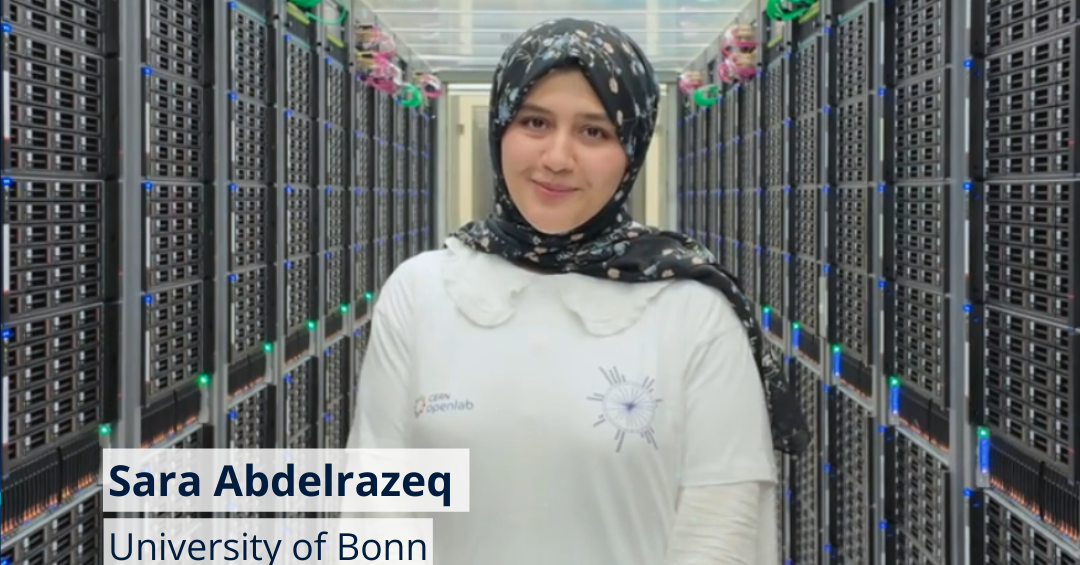
Meet the students: Sara Abdelrazeq From Jordan to Geneva, Sara K. Abdelrazeq has joined CERN this summer through the CERN openlab programme, contributing her skills in computer science to the Next Generation Triggers project. Currently a student at the University of Bonn, she is working on one of the most critical aspects of modern particle
-

Meet the students: Najla Sadek
Meet the students: Najla Sadek From Beirut to Geneva, Najla Sadek has brought her passion for computer science and artificial intelligence to CERN this summer. Currently studying Computer Science and Engineering with a minor in Applied Mathematics at the American University of Beirut, Najla is fascinated by how AI can be used responsibly and meaningfully
-
Showcasing Innovation: NGT Summer Students at the CERN openlab Lightning Talks
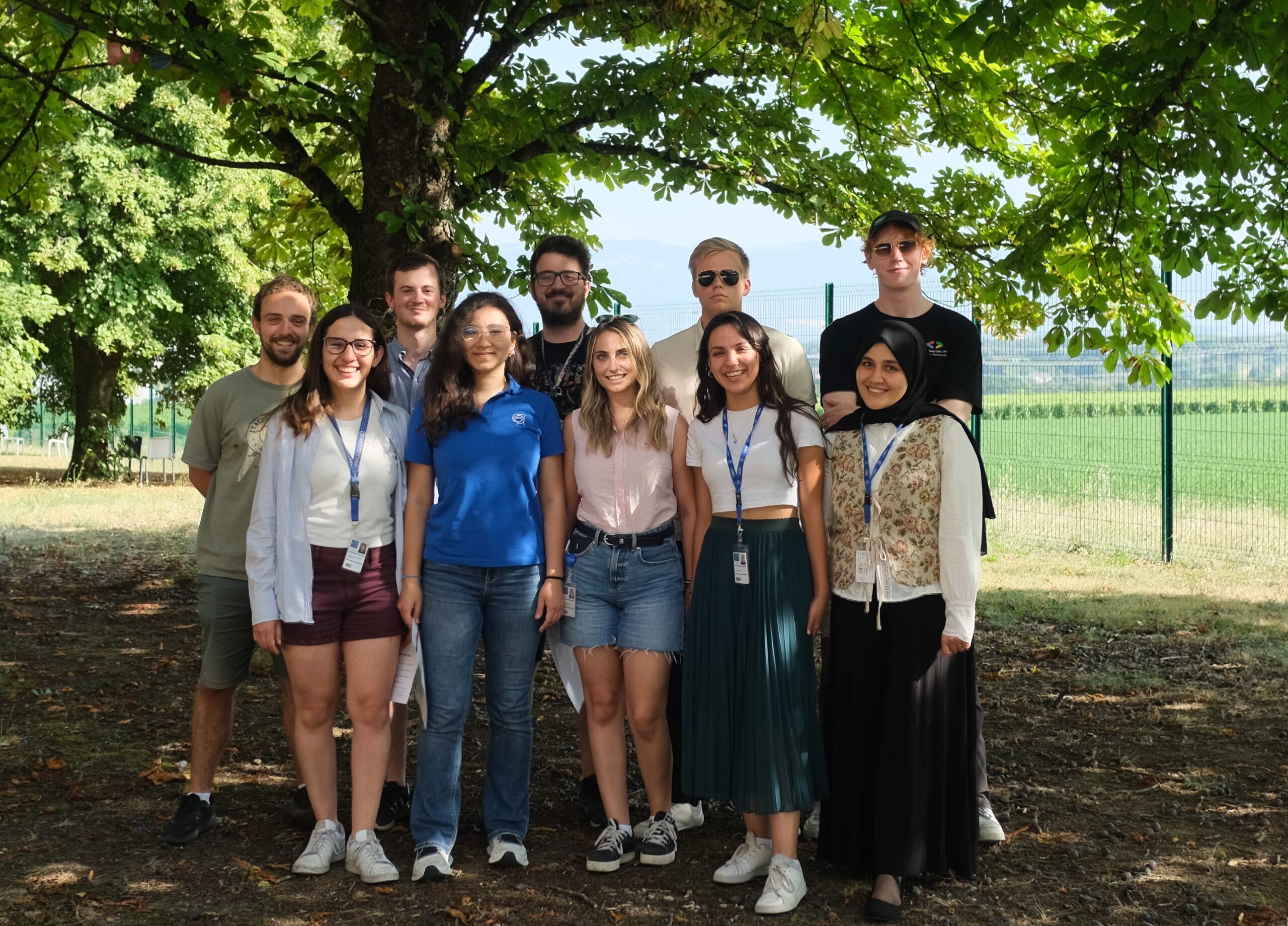
Showcasing Innovation: NGT Summer Students at the CERN openlab Lightning Talks On 11 and 12 August 2025, the CERN openlab Summer Student Lightning Talks brought together this year’s cohort of 37 talented students from 31 nationalities, selected from more than 3,800 applicants worldwide, to present the results of their nine weeks at CERN. This year
-

PS-HEP 2025 Poster Prize Goes to… NGT’s Duc Minh Hoang!
PS-HEP 2025 Poster Prize Goes to… NGT’s Duc Minh Hoang! The European Physical Society Conference on High Energy Physics (EPS-HEP 2025) lit up the city of Marseille from July 14–18, bringing together hundreds of physicists at the stunning Palais du Pharo to dive into the latest breakthroughs in high energy, astroparticle, and neutrino physics. Among the packed poster session—with
-
Precision Matters: Unlocking the Future of Floating Point at CERN
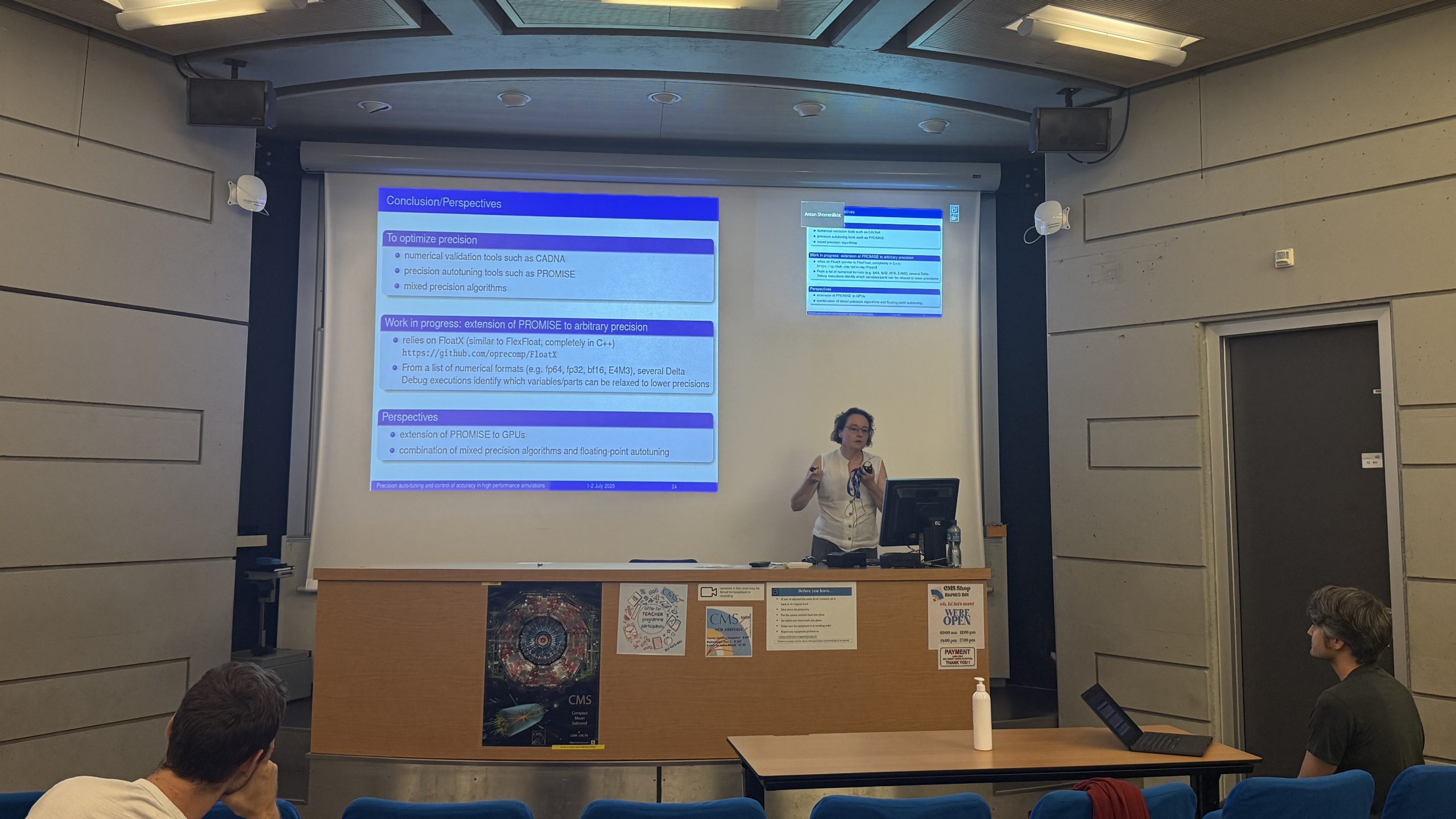
Precision Matters: Unlocking the Future of Floating Point at CERN On 1–2 July 2025, the “Optimising Floating Point Precision” Workshop, co-organized by Next Generation Triggers and CERN Openlab, took place at CERN, gathering experts to explore how floating point operations — in single, double, or higher precision — can be optimized for future high-energy physics applications in heterogeneous